Why the Internet Needs Rules to Send Data
The internet is not one single network. It’s a massive collection of networks connected together.
When your app sends data, that data is broken into packets and travels through many unknown paths.
Without rules, packets would:
Get lost
Arrive out of order
Overwhelm receivers
Corrupt data
That’s why the internet uses transport protocols.
Two of the most important ones are TCP and UDP.
What Are TCP and UDP
Both TCP (Transmission Control Protocol) and UDP (User Datagram Protocol) live at the transport layer.
Their job is simple:
Move data from one application to another across the network.
But they do it in very different ways.

TCP: Safe, Reliable, and Careful
TCP is connection-oriented and reliable.
Before sending data, TCP:
Establishes a connection
Checks that the receiver is ready
Sends data in order
Confirms delivery
Retransmits lost data
Analogy
TCP is like a phone call:
You say “Hello”
The other person confirms
You speak in order
If something isn’t heard, you repeat it
Key Behaviour
Guaranteed delivery
Ordered packets
Error detection and correction
Flow control and congestion control
Slightly slower due to checks and confirmations
UDP: Fast, Simple, and Risky
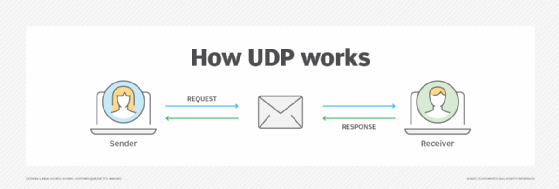
UDP is connectionless and unreliable.
UDP:
Does not establish a connection
Sends data immediately
Does not wait for confirmation
Does not retransmit lost packets
Analogy
UDP is like a public announcement:
You broadcast the message
Whoever hears it, hears it
If someone misses it, too bad
Key Behaviour
No delivery guarantee
No ordering
No retransmission
Very low overhead
Extremely fast
Key Differences Between TCP and UDP
| Feature | TCP | UDP |
| Connection | Required | Not required |
| Reliability | Guaranteed | Not guaranteed |
| Packet order | Maintained | Not maintained |
| Error handling | Yes | Optional |
| Speed | Slower (but stable) | Faster |
| Overhead | High | Low |

When to Use TCP
Use TCP when:
Data accuracy matters
Missing even one byte is unacceptable
Order of data is critical
Common TCP Use Cases
Web pages (HTTP/HTTPS)
File transfers (FTP)
Emails (SMTP)
Software downloads
APIs
If data must be correct, TCP is the right choice.
When to Use UDP
Use UDP when:
Speed matters more than accuracy
Occasional data loss is acceptable
Real-time communication is needed
Common UDP Use Cases
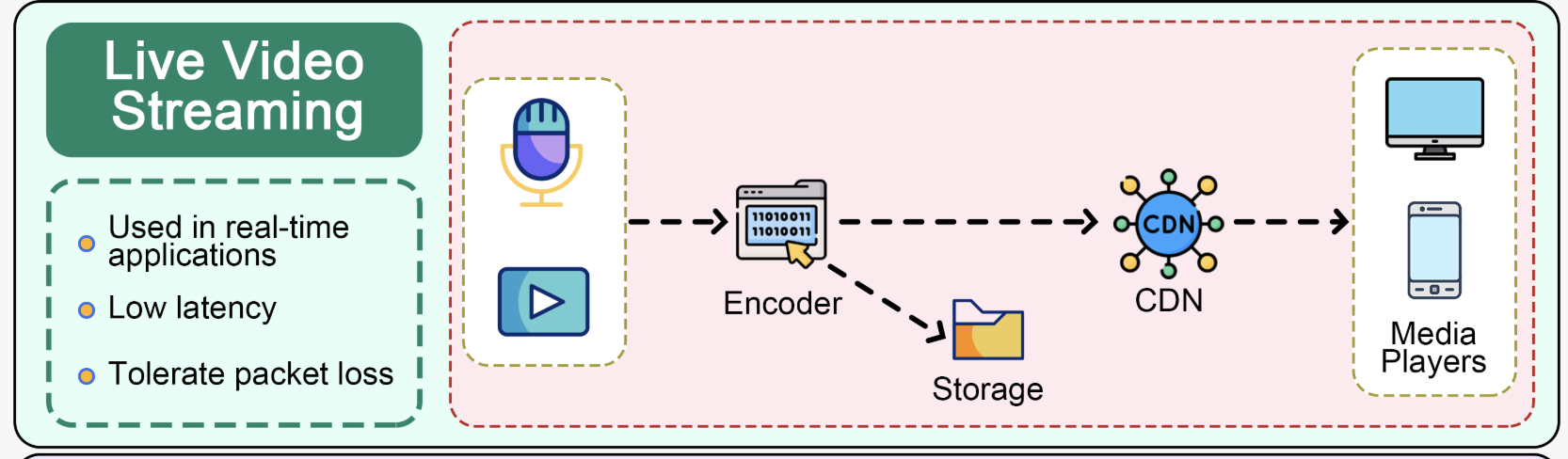
Video streaming
Online gaming
Voice calls (VoIP)
Live broadcasts
DNS queries
If data must be fast, UDP is the right choice.
Common Real-World Examples
Watching a Website
Uses TCP
Every byte of HTML, CSS, and JavaScript must arrive correctly.
Video Calls or Live Streaming
Uses UDP
A small glitch is acceptable. Delay is not.
DNS Lookups
Uses UDP
Fast request, fast response. If it fails, retry.
What Is HTTP and Where It Fits
This is where beginners often get confused.
HTTP is NOT a transport protocol.
HTTP is an application-layer protocol.
Its job is to define:
Requests (
GET,POST)Responses (status codes, headers, body)
HTTP does not send data itself.
Relationship Between HTTP and TCP
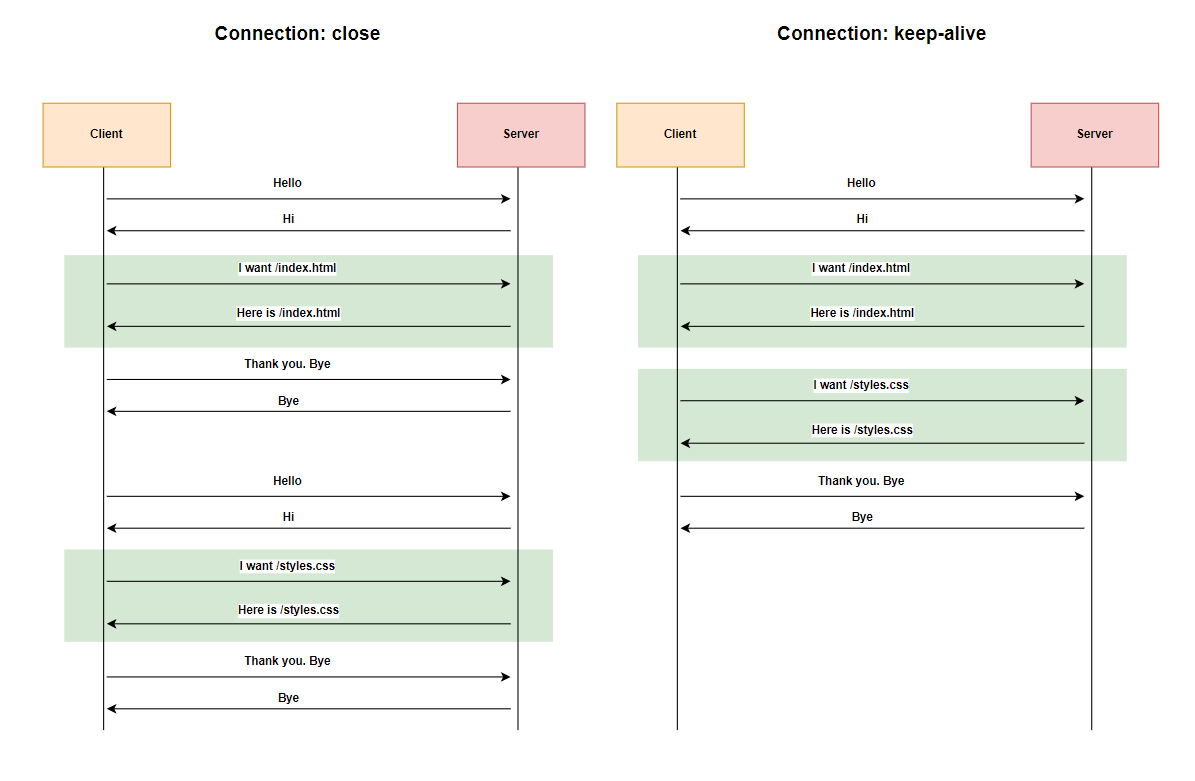
HTTP runs on top of TCP.
Think of it like this:
TCP = delivery truck
HTTP = package format and rules
HTTP depends on TCP to:
Ensure reliable delivery
Maintain order
Handle retransmissions
That’s why HTTP does not replace TCP.
Clearing a Common Confusion
“Is HTTP the same as TCP?”
No.
TCP moves data safely
HTTP defines what the data means
They solve different problems at different layers.
Final Takeaway
TCP is safe and reliable
UDP is fast and lightweight
Modern systems use both, depending on the problem they’re solving.
Understanding when and why each is used helps you:
Debug network issues
Design better systems
Choose the right protocol for the job


